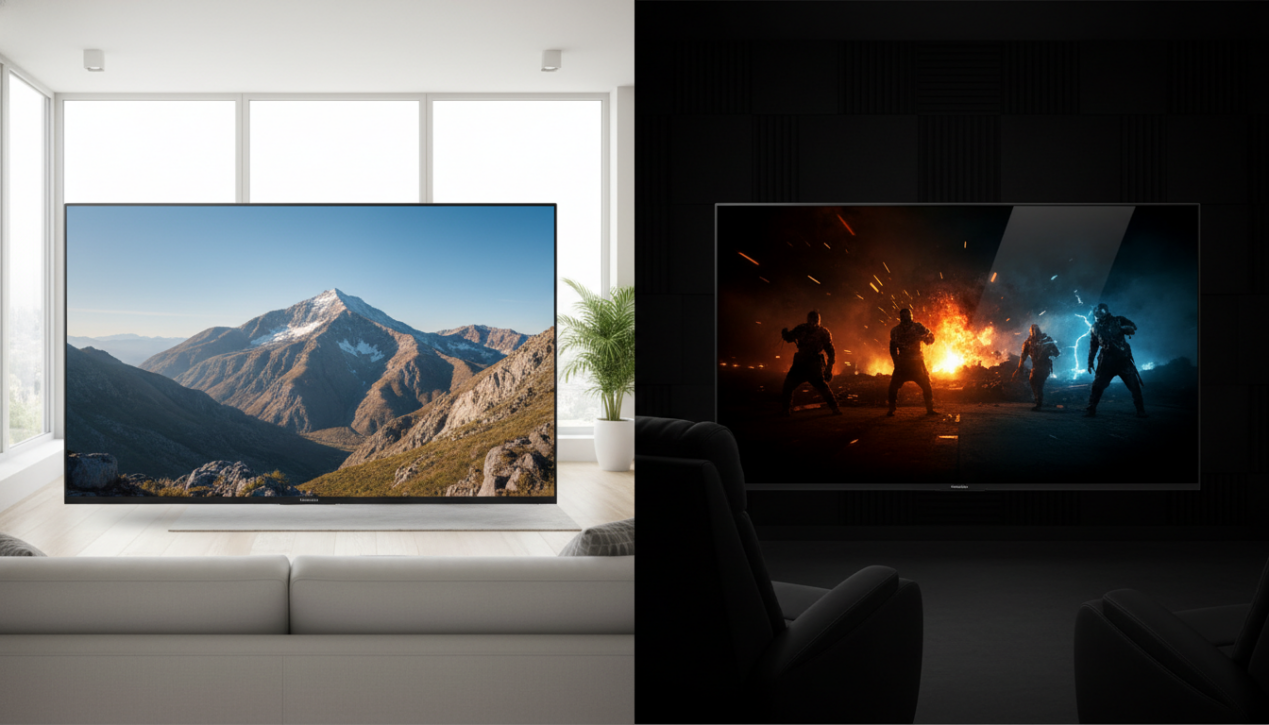
In the high-end TV market of 2025, the “LCD vs OLED” debate has completely ended. The real battleground now lies in the more advanced QD-OLED (Quantum Dot OLED) technology—a hybrid combining the self-emissive advantages of OLED with the high color gamut of quantum dots. It boasts higher brightness, more accurate colors, and better viewing angles, and has almost become a standard feature in flagship TVs.
In this generation of top-tier competition, the two most representative models are:
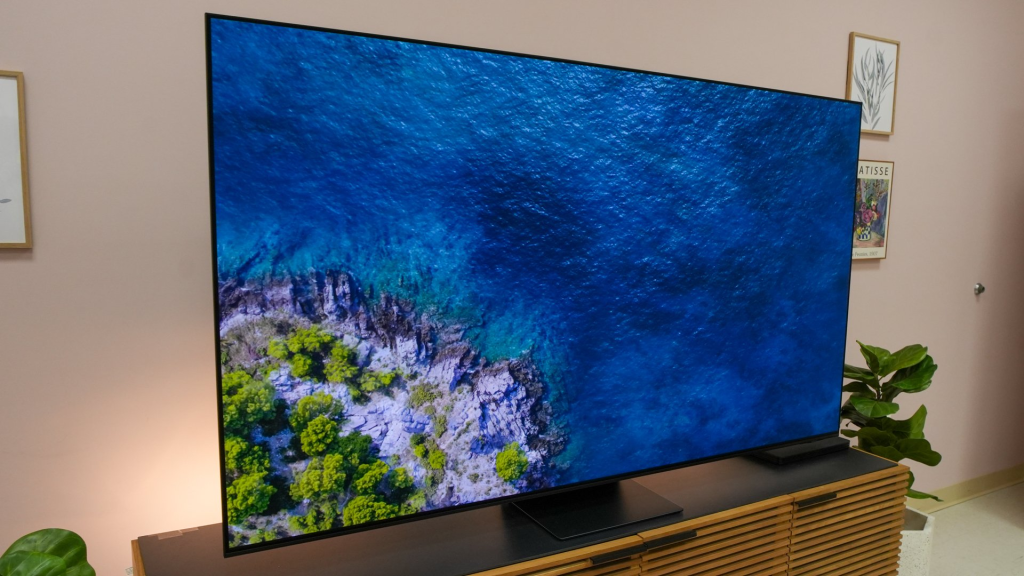
Samsung S95D: Original panel manufacturer’s own product + aggressive brightness + a new species of static light rejection
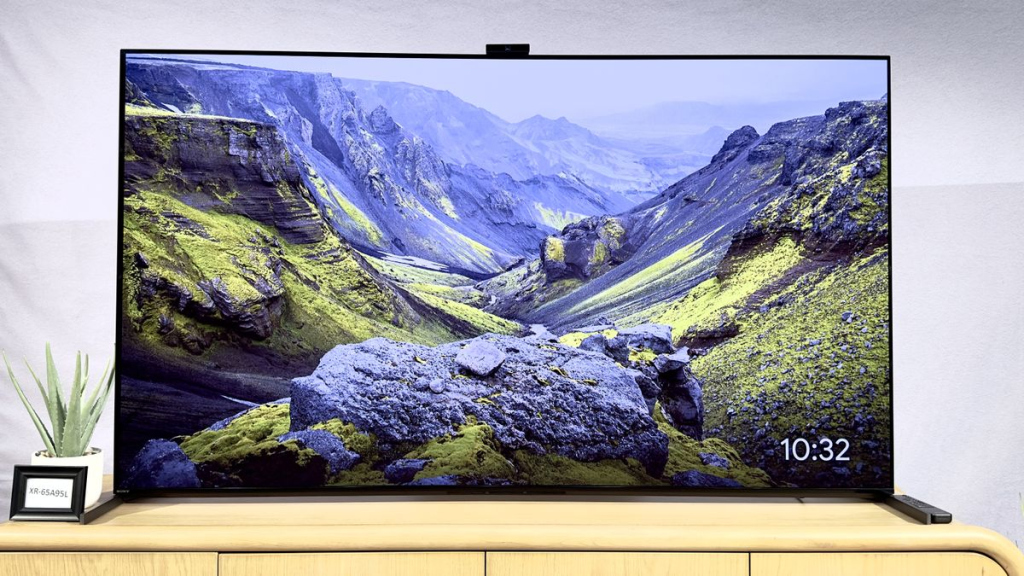
Sony A95L: Algorithm Master + XR Cognitive Chip + Spiritual Totem for Movie Lovers
What’s even more subtle is
that both TVs use Samsung Display’s QD-OLED panels . However, due to their completely different calibration philosophies, they present entirely different “picture quality philosophies” in terms of viewing experience.
One aims for a “stunning first impression,” the other for the “director’s original intention.”
One is designed for brightly lit living rooms, the other for low-light cinemas.
When panel manufacturers meet algorithm masters, who will be the true king of picture quality in 2025?
I. Image Quality Philosophy: Vibrant Impact vs. Precise Reproduction
Although both use QD-OLED, their picture quality is quite different. Different philosophies lead to different users.
Samsung S95D: A bold, bright, and eye-catching “flagship style”
Samsung’s tuning remains consistent: it doesn’t skimp on brightness, saturation, and impact.
In the default state:
Blue sky is bluer
The grass is greener
The area of the high-explosive highlight was blindingly bright.
In HDR scenes, flames, lightning, and neon lights create a sense of dynamic impact.
This aligns perfectly with Samsung’s brand philosophy:
“Win at first glance.”
This also makes the S95D the best performing device in the following scenarios:
Store demonstration video
HDR Explosion in Games
Sports events (significant advantage in brightness)
Bright living room for viewing during the day
As the original panel manufacturer, Samsung clearly knows the brightness limits that this QD-OLED can withstand. The peak brightness of the S95D is extremely aggressive, making it the closest OLED to Mini-LED currently available.
Sony A95L: Restrained, natural, and cinematic “professional aesthetics”
Sony’s tuning philosophy is exactly the opposite:
it pursues
“the way it looks in the director’s shot, not a bit more, not a bit less.”
This is why many professional colorists, video creators, and audiophiles prefer Sony .
The advantages of the A95L are:
The skin tone appears extremely natural (without excessive redness or orange-yellow tint).
The shadows retain rich detail and depth, and are not obscured by overexposure to brightness.
The grayscale transitions are clean, with no color banding.
The depth of field and stereoscopic effect are very strong (a signature capability of XR cognitive chips).
Sony’s images have a kind of “transparency” that you can’t explain with specifications, but you’ll understand after watching for a few minutes. It’s a quiet yet powerful charm in image quality.
II. The Battle Against Gloss: Matte Revolution vs. Classic Mirror Finish
This is the most controversial and groundbreaking design of the S95D in 2025.
Samsung S95D: Matte, Glare-Free Finish = Absolute Daytime King
Samsung has truly made its dream of making televisions “as non-reflective as paper” a reality.
Characteristics of matte coatings:
advantage
The reflection was almost completely eliminated.
Whether the lights are on or it’s daytime, no light bulb or window reflection will be seen on the screen.
The user experience of a large living room has improved dramatically.
shortcoming
In bright environments, black will appear slightly grayish.
The “transparency” of the image is slightly weaker than that of a mirror.
This is essentially “sacrificing a little purity in exchange for all-weather visibility”.
If your living room has good natural lighting, I can say with certainty that
the S95D is currently the only high-end OLED that can truly solve the problem of glare.
Sony A95L: Mirror Coating = Absolute King in Low-Light Environments
Sony insists on using traditional high-gloss mirror finishes.
advantage
Black is even blacker
More transparent colors
The image has more depth and dimension
The immersive experience when watching movies in a darkroom far surpasses that of Samsung.
shortcoming
The reflection is very obvious.
The daytime TV viewing experience will be greatly affected.
Therefore, the A95L’s performance is actually quite “environmentally dependent.”
But as long as you’re willing to turn off the lights and draw the curtains, its image quality ceiling is currently the limit for all OLED displays.
III. Gaming Experience: PC gamers love Samsung, PS5 gamers love Sony.
These differences are very pronounced.
Samsung S95D: A “Multi-Interface God Machine” Defined by PC Gamers
Samsung has virtually no rivals when it comes to gaming experience.
4 full-fledged HDMI 2.1 ports
Up to 144Hz refresh rate
Game Bar: A clear overview of frame rate, HDR, and latency.
Supports ultrawide screens and FreeSync Premium Pro
This is for:
Multi-console players
High-spec PC gamers
esports users
It’s an experience that’s “full of enjoyable moments”.
Sony A95L: A natural companion for the PS5 (but the interface is a disappointment).
A95L only has:
Two HDMI 2.1 ports (one of which is eARC)
If you have both
PS5
Soundbar
PC
You may need to buy an additional HDMI switcher or rely on a soundbar adapter.
But why do PS5 players still love Sony?
because:
Automatic HDR tone mapping (PS5 exclusive)
Automatic Low Latency Mode (ALLM)
Automatic mode matching (adjusts graphics quality based on game type)
The Sony ecosystem quietly gives you “a little more comfort.”
IV. Systems and Ecosystems: Tizen vs Google TV
The system experience will affect your daily comfort level.
Samsung Tizen: Aesthetically pleasing, stable, and geared towards home entertainment.
Advantages:
SmartThings + Samsung phones work together seamlessly.
Built-in Xbox cloud gaming
The menu’s visual style is very pleasing.
shortcoming:
Occasionally, advertisements will appear.
The app ecosystem is not as free as Google TV.
Sony Google TV: Freedom, highly expandable, a favorite among movie buffs.
Advantages:
No ads to disturb you
Supports more advanced apps (Kodi, Plex, Emby).
Google Assistant is smarter
It can be deeply integrated with Nest smart home systems.
For users who want a “living room = home theater” experience, Google TV is the most worry-free system.
Conclusion: Who will be the true king of image quality in 2025?
The answer depends on you—
not the parameters, but the usage context.
Choose Samsung S95D if you:
The living room is very bright (large floor-to-ceiling windows, plenty of lighting).
You need the most powerful anti-glare TV
Are you a PC gamer or a multi-console player?
I like bright, vibrant, and impactful images.
Want the most “all-scenario” user experience
�� The S95D is the most powerful “living room TV”.
you choose the Sony A95L , and you:
Are you an audiophile or movie lover?
I prefer watching in low light.
Pursuing ultimate color accuracy and cinematic feel
Concerned about skin tone, grayscale, and shadow detail.
Using PS5 for console gaming