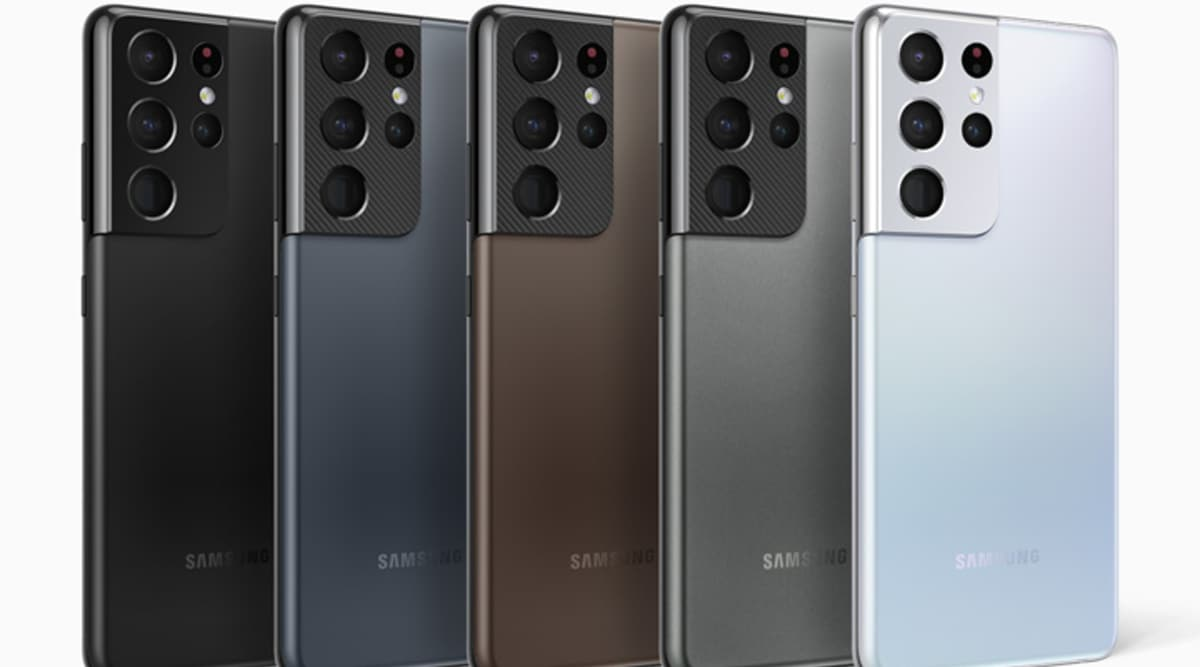
Have you ever had this experience—every time Samsung launches a brand new Galaxy S series flagship (especially the “feature-packed monster” Ultra), the photography enthusiast community always goes wild. From 100 million to 200 million pixels, from the 100x Space Zoom that can “shoot the moon,” to the almost ubiquitous AI night scene optimization, Samsung seems to be pushing smartphone photography step by step into the professional realm.
To be honest, ordinary users looking at photos taken with the Galaxy S25 Ultra on their phone screens can easily get the wrong impression:
“Hey, isn’t this pretty good? The colors are pleasing, and the details are sufficient. I really can’t tell the difference from a professional camera.”
But here’s the question: In this era of explosive growth in computing power and algorithms, do we really still need to carry around a bulky camera?
To answer this question, we can’t just look at the specifications. The numbers in the ads are impressive, but photography is ultimately a game of physics. When you compare a mobile phone to real professional photography and videography equipment —with its large full-frame CMOS sensor, bulky lens assembly, and realistic optical structure—the differences are still clear enough to be ignored.
Next, we will break down the photographic capabilities and limits of the Galaxy S series from the three most crucial dimensions: pixels, zoom, and bokeh.
I. The Pixel War: 200 Million Pixels ≠ All About Image Quality
The feature that Samsung Galaxy S Ultra series likes to show off the most is its 200MP main camera.
Its logic is also very straightforward:
Pixel binning combines 16 small pixels into 1 large pixel, increasing the amount of light entering the pixel.
When the lighting is good, simply turn on the 200MP ultra-high resolution mode to unleash stunning details.
It sounds incredible, but the reality is not so simple:
the number of pixels does not equal the image quality itself.
Professional full-frame cameras like the Sony A7R5 and Canon R5, although they only have 40 to 50 million pixels, have ridiculously large individual pixel sizes, which directly affects dynamic range, noise control, and low-light performance .
in conclusion:
Daytime: The Galaxy S series is indeed excellent; it can even capture clear images of small print on distant billboards.
Nighttime: The clarity and dynamic range of physical sensors remain a crushing advantage over professional cameras.
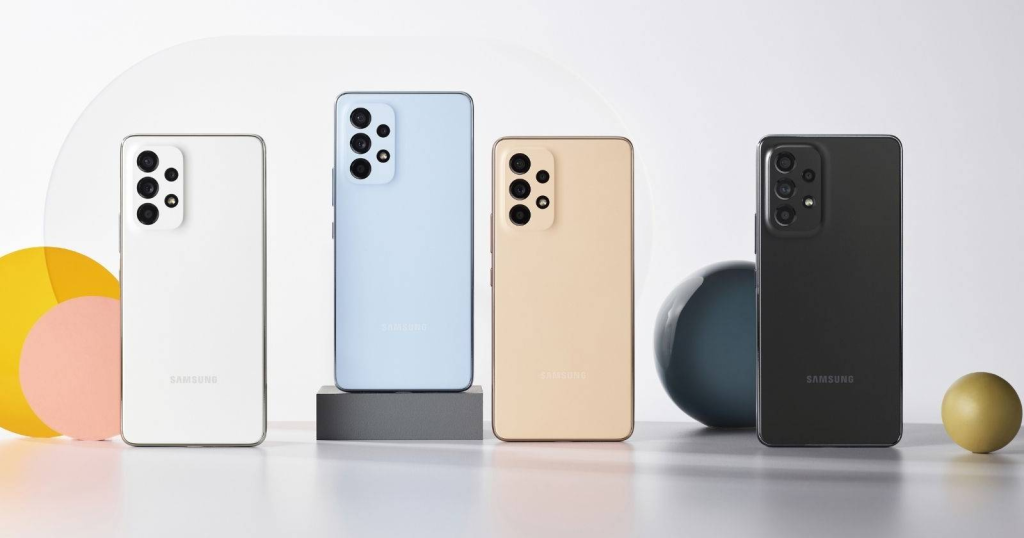
II. Zoom Showdown: Periscope Telephoto Lens vs. True Optical “Giant Cannon”
When it comes to telephoto lenses in the mobile phone industry, no one is better at it than Samsung.
Samsung’s strengths:
A periscope telephoto lens was crammed into a thin camera body.
5x, 10x optical zoom, then AI-powered zoom up to 100x.
Shooting concerts, photographing the moon, and capturing distant meme-worthy images are all strengths of theirs.
Typical advantages of computational photography
And what about the camera? The 70-200mm f/2.8 lens is incredibly heavy, but its optical quality is terrifyingly solid. It achieves true
optical zoom clarity by stacking together huge lens elements .
in conclusion:
Samsung wins because of its portability, convenience, and computing power.
Professional cameras excel in pure optics, no smearing, and controllable depth of field and sharpness.
In short: Samsung’s telephoto lenses are “like they have brains,” while other cameras’ telephoto lenses are “like they have muscles.”
III. Blur and Depth of Field: AI Background Simulation vs. Physical Aperture’s Depth of Field
For many people, the most frequently used function is actually portrait mode.
Samsung’s approach is:
Use ToF or dual-camera ranging
Recognize contours
The algorithm then blurs the background.
The results are becoming increasingly precise, even preserving individual strands of hair.
But all of this falls under the category of AI image segmentation + fake depth-of-field .
Where’s the camera?
A lens with an f/1.4 or f/1.2 aperture can directly create a shallow depth of field using physical methods.
The background transitions naturally, has layers, and creates a sense of space.
The bokeh is as smooth as cream.
Conclusion:
Samsung can simulate, but it’s difficult to completely replicate.
Especially in situations like gaps between leaves or complex lighting, the phone’s portrait blurring is more likely to be detected.
IV. The Photo Process Debate: Straight-out-of-camera vs. Post-processing enthusiasts
This part can be considered Samsung’s home turf.
The Galaxy S series’ output is almost “shoot and send immediately”:
HDR automatically increases the light ratio
The sky is bluer and the skin is brighter.
Posting pictures on social media is more than enough.
The camera, however, follows a completely different approach:
Shooting RAW
Retaining maximum information
Post-production required
The pursuit should be “authenticity” and “versatility” rather than simply “likability.”
In conclusion,
Samsung essentially pre-loads your “aesthetic filter” into the phone.
This saves ordinary users a significant amount of post-processing time, which is one of the core advantages of mobile photography.
In conclusion: Samsung has shortened the distance, but physics still stands on the side of professional cameras.
The Galaxy S series is powerful enough to replace entry-level point-and-shoot cameras.
Sometimes, it even works better than a camera without a tripod, especially in extremely dark night scenes or super telephoto situations.
It is:
The perfect tool for recording life, travel, and everyday moments.
An all-in-one camera suitable for most people
However, it still struggles to compete with professional cameras in the following areas:
Commercial Photography
Rigorous landscape painting
High-end portrait art
Large size output
Professional video production
Smartphones have made it possible for “everyone to take good photos.”
But the physical barriers of optics still firmly remain behind professional cameras.